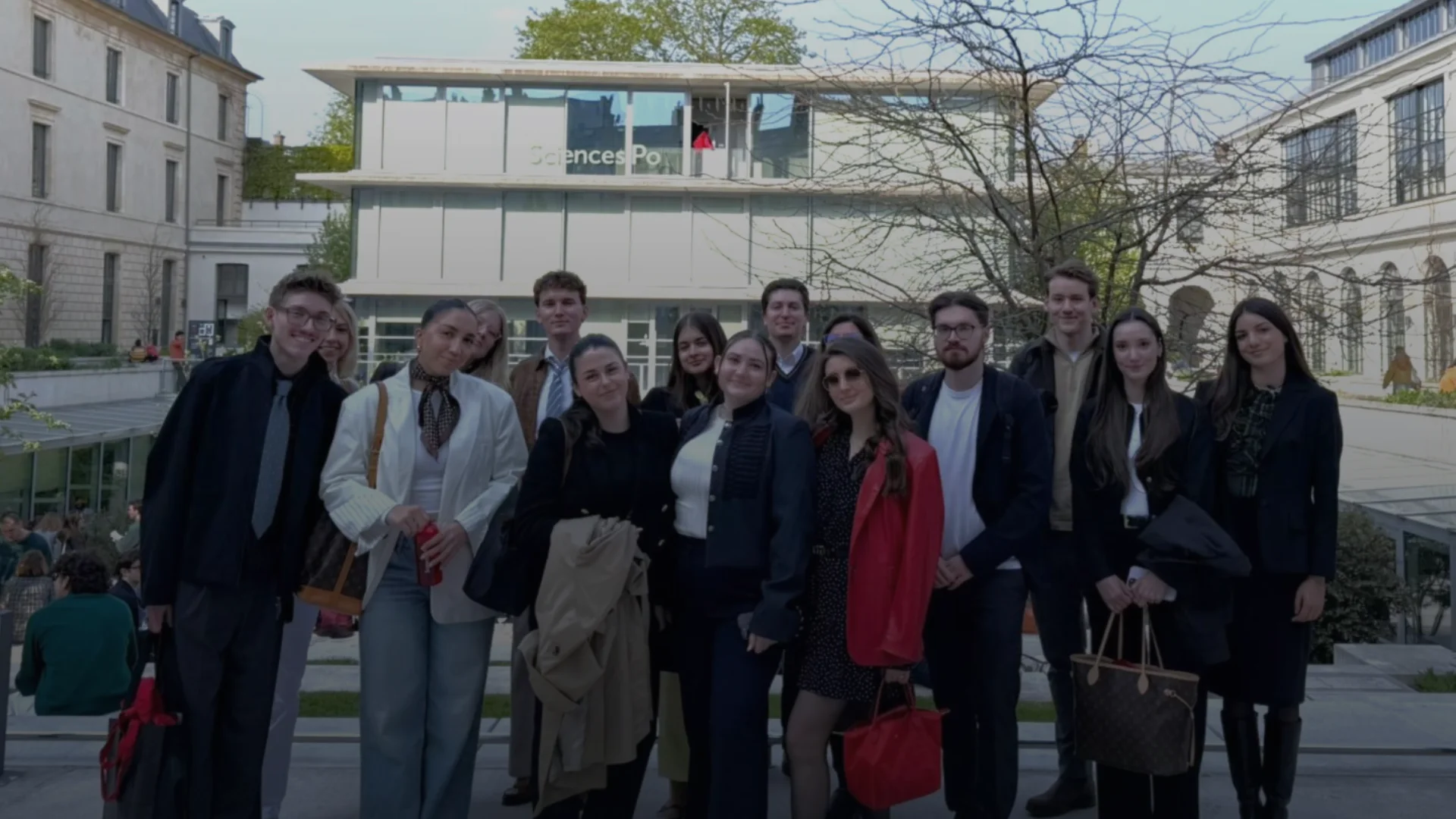
There are cities where the subject matter of a degree program is visible on every street corner, and for luxury management, Paris is the obvious example. What is less obvious is why sending students there for ten days produces better results than keeping them in a lecture hall in Düsseldorf.
The M.Sc. Luxury Management program at AMD has a clear answer to that question, and from March 23 to April 1, 2026, the latest cohort lived it: lectures at Sciences Po, afternoons with industry professionals, and a city that makes the subject matter impossible to ignore.
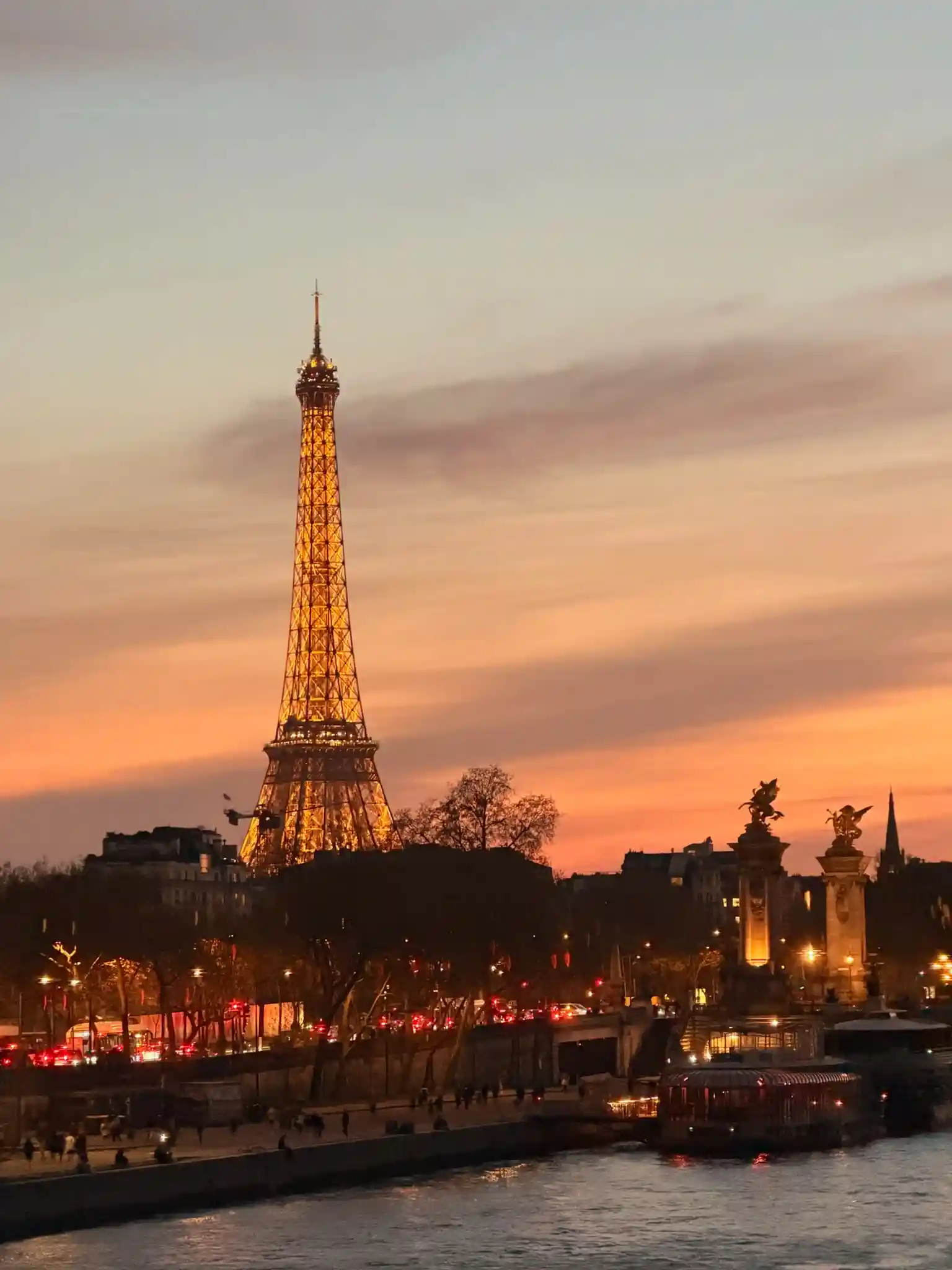
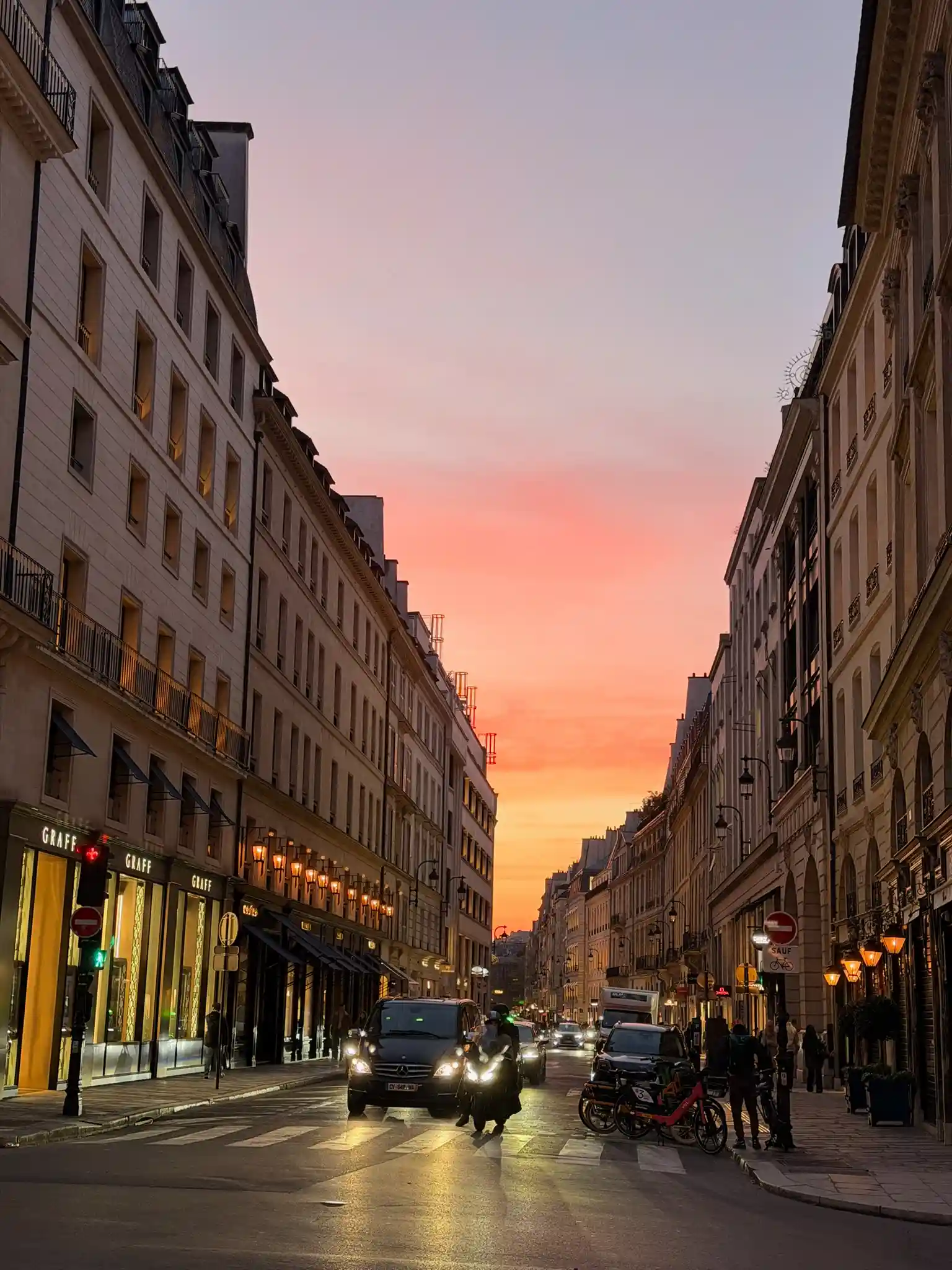
It started at Galimard, one of France’s oldest perfume houses, where the students spent two hours constructing their own fragrance from scratch. Top notes, heart notes, base notes. The olfactory pyramid, as the professionals call it. Each student left with a personal 100 ml bottle, named and labeled.
What sounds like an enjoyable extracurricular activity is actually a fairly precise lesson in what luxury has always been about. Galimard has been making perfume since 1747, and the weight of that history is in the room whether you notice it or not. The product is almost beside the point. The experience of making something that feels rare and personal is the actual content.
The same argument showed up differently at La Galerie Dior on Avenue Montaigne 30. Archival sketches, decades of Vogue editorial material, garments that have spent years in storage and now hang behind glass. A Dior gallery is not a museum in any conventional sense.
The visit concluded with time in the boutique and a stop at the café, which sounds incidental but is actually part of the same argument: at this level, the brand experience does not stop at the product.
“It was a unique opportunity to combine academic insights with practical experiences,” says participant Maria Lobanova. Given the setting, that reads less like a polite quote and more like an accurate description.
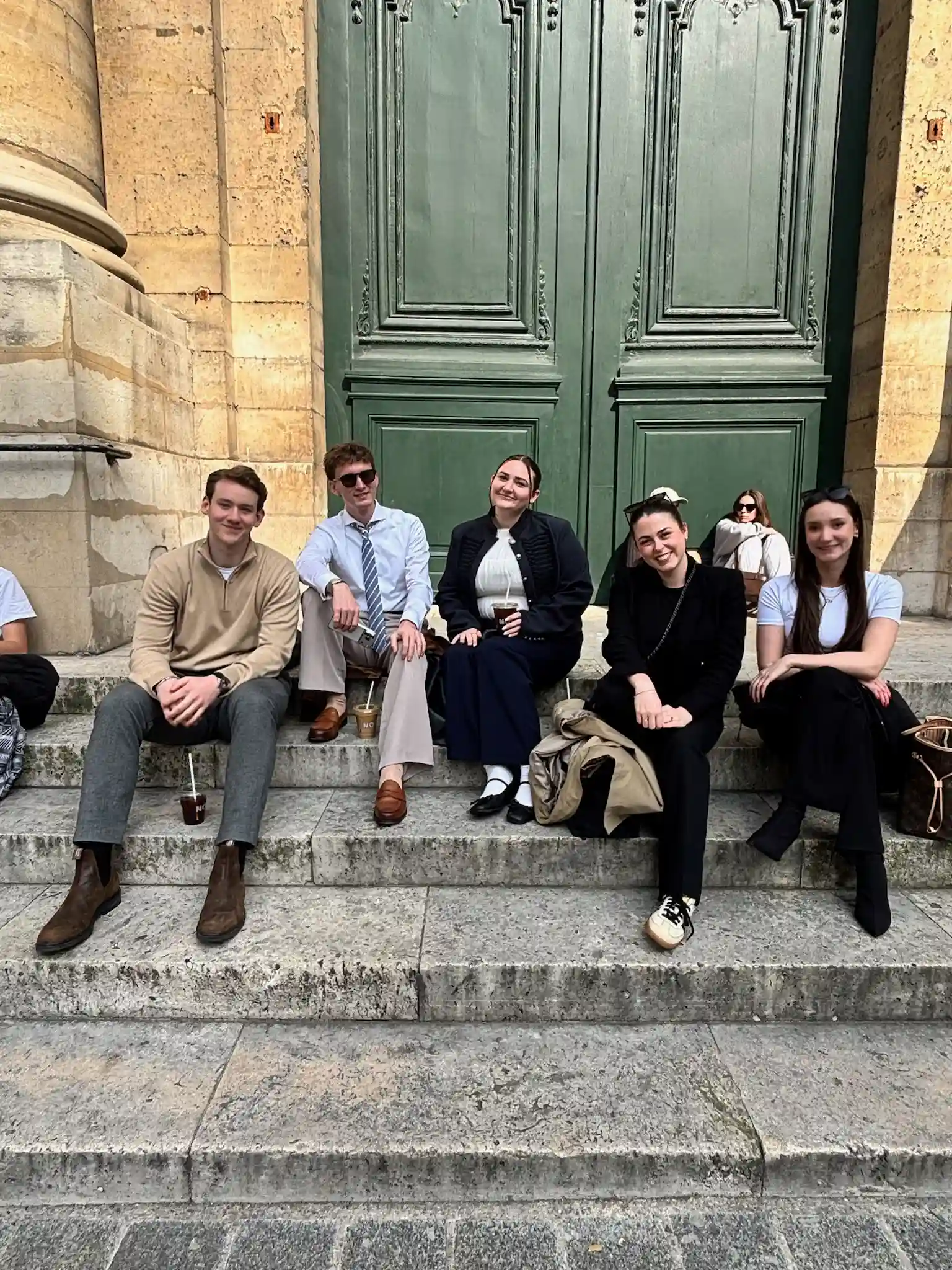
One day the students spread across Paris to conduct mystery shopping at Sephora, Nocibé, and Marionnaud. Customer experience, store design, consultation quality, omnichannel integration. The kind of structured observation that forces vague impressions into something defensible. Working in groups, each team developed a specific angle on what the data was showing and where the gaps were most visible.
Those findings became the basis for strategic recommendations aimed at Gen Z consumers, which the students then presented at the Sephora headquarters in Neuilly-sur-Seine, in front of Marco Noya, HR Director One Europe. Not a professor. Not a simulated boardroom exercise. An actual senior executive with actual opinions about what the students had put together.
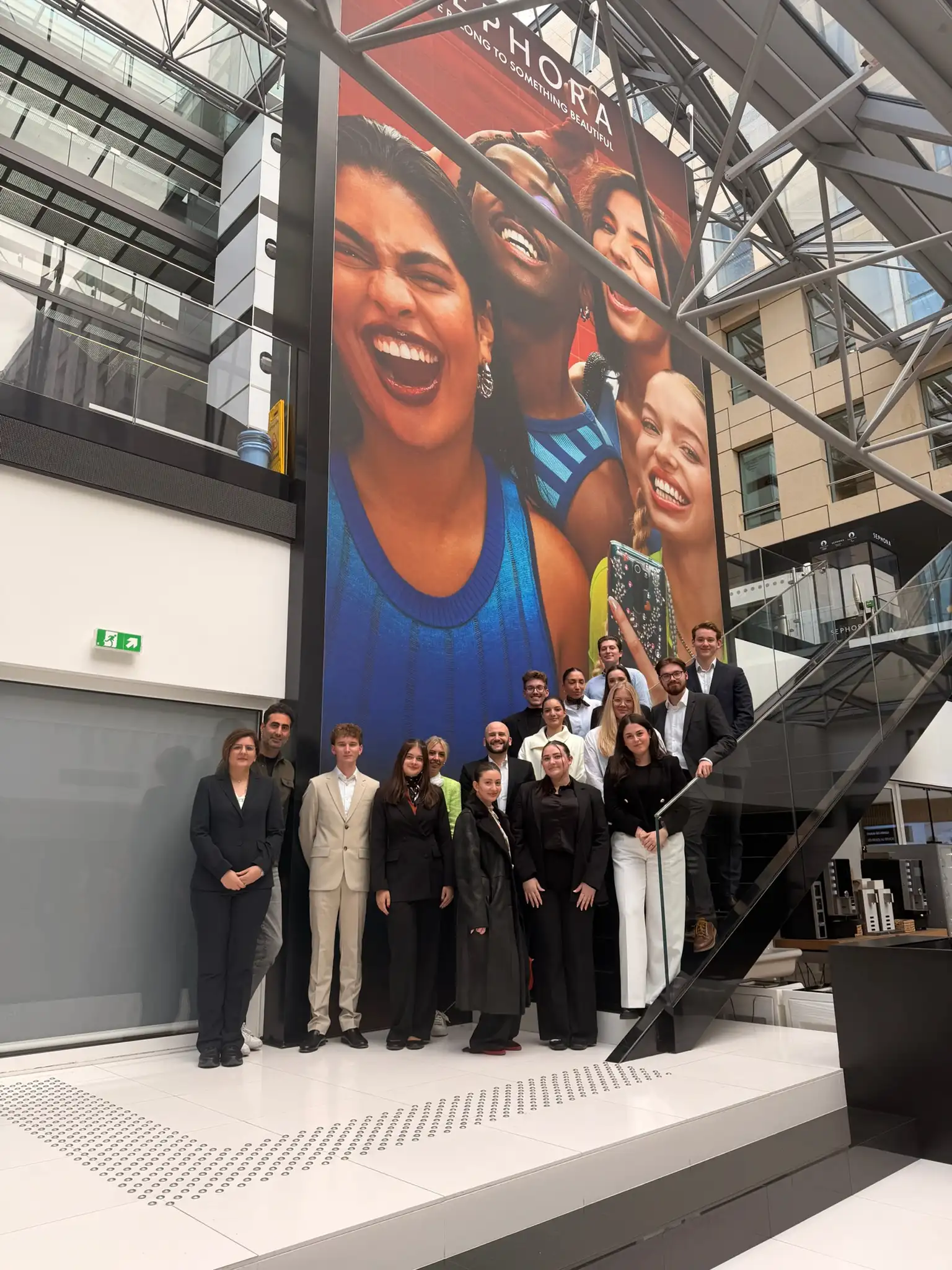
That is the version of education AMD builds into this program deliberately. The same logic applied at ODDO BHF, where Jean Danjou, Head Equity Analyst for the Luxury Sector, walked the group through performance gaps between luxury segments, regional consumer patterns, and where the market is structurally shifting.
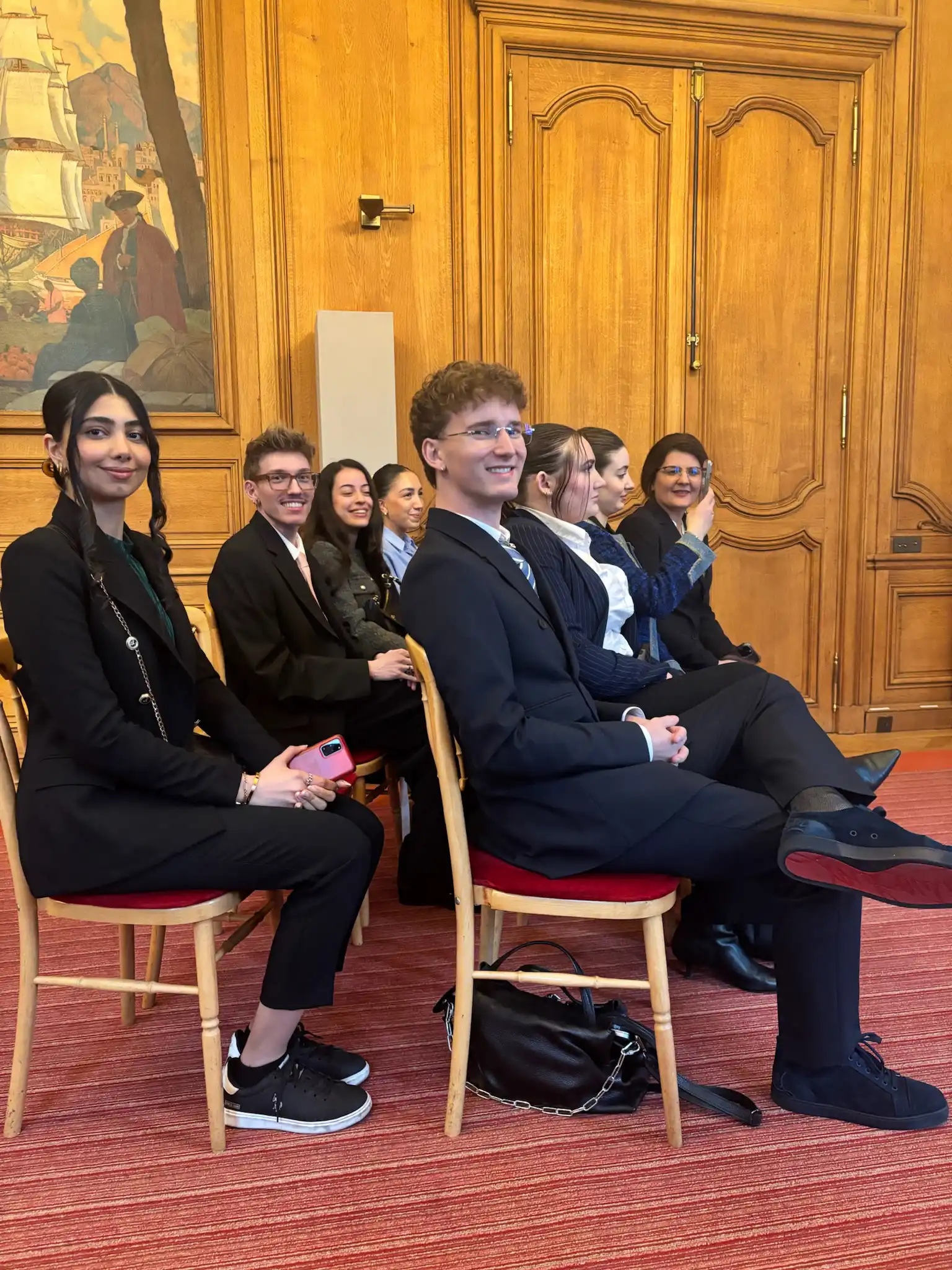
The lectures at Sciences Po were dense and, at times, deliberately provocative. Veblen’s conspicuous consumption came first, the observation that people buy expensive things largely to be seen buying expensive things, which is either depressing or clarifying depending on your disposition. Bourdieu followed, with the argument that taste is not something you develop but something you inherit, shaped by class and social environment long before any purchasing decision is made. Baudrillard took it further still: the object barely matters anymore. What gets sold is the meaning attached to it.
One session built on all of that to make a larger claim about how the industry actually functions. Luxury conglomerates, the lecturer argued, do not just sell products. They operate more like parallel institutions, setting standards through magazines and influencers, controlling production globally, and shaping what consumers consider desirable or undesirable about themselves. Most people in the industry would not frame it that way in a pitch deck. That is probably why it was worth hearing in a lecture hall first.
One of the final lectures asked whether luxury is running out of road. The pressures are real: customer loss, brand equity that has quietly eroded, and a generation of consumers who are skeptical of heritage claims they did not grow up with. Some houses are struggling in ways that show up in their numbers. The lecture did not pretend otherwise.
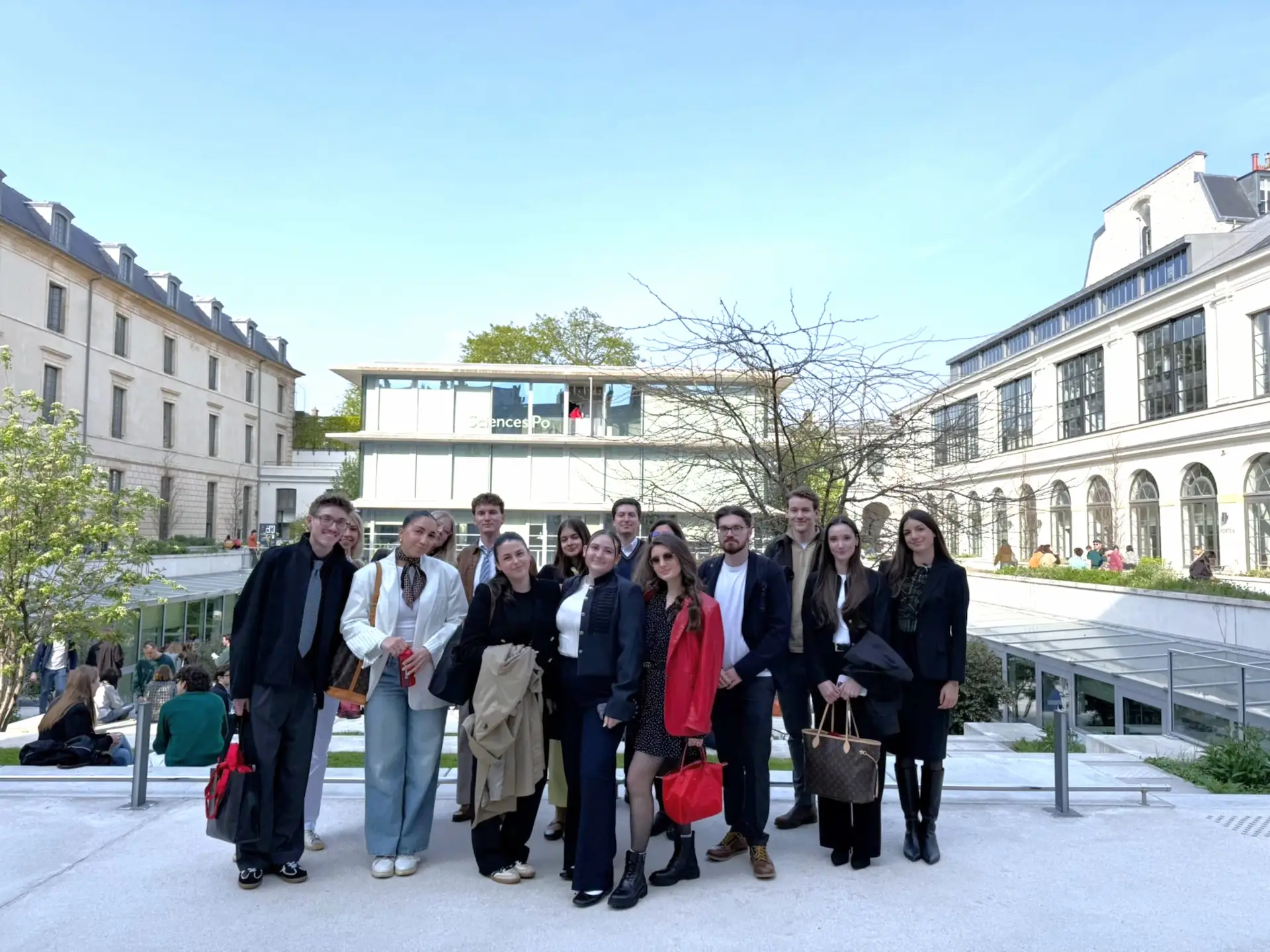
The counter-argument got equal time. Brands with a clear sense of what they are do not seem to be having the same problems. Luxury does not expire as a concept; it just stops working when the story gets vague and the price stops feeling justified by anything tangible.
The students who sat through that lecture were, by that point in the week, well-equipped to have an opinion about which side of that argument is more convincing. How the industry navigates that while simultaneously adapting to new markets and new expectations is an open question, and leaving it open was probably the right call.
The last day brought final presentations before an academic jury, with everything from the preceding ten days distilled into a graded performance. A written paper follows within the month, pushing the analysis further than a presentation slot allows. The program does not end at the airport. In that sense, Paris was less a destination than a starting point for a body of work that continues long after the return flight.
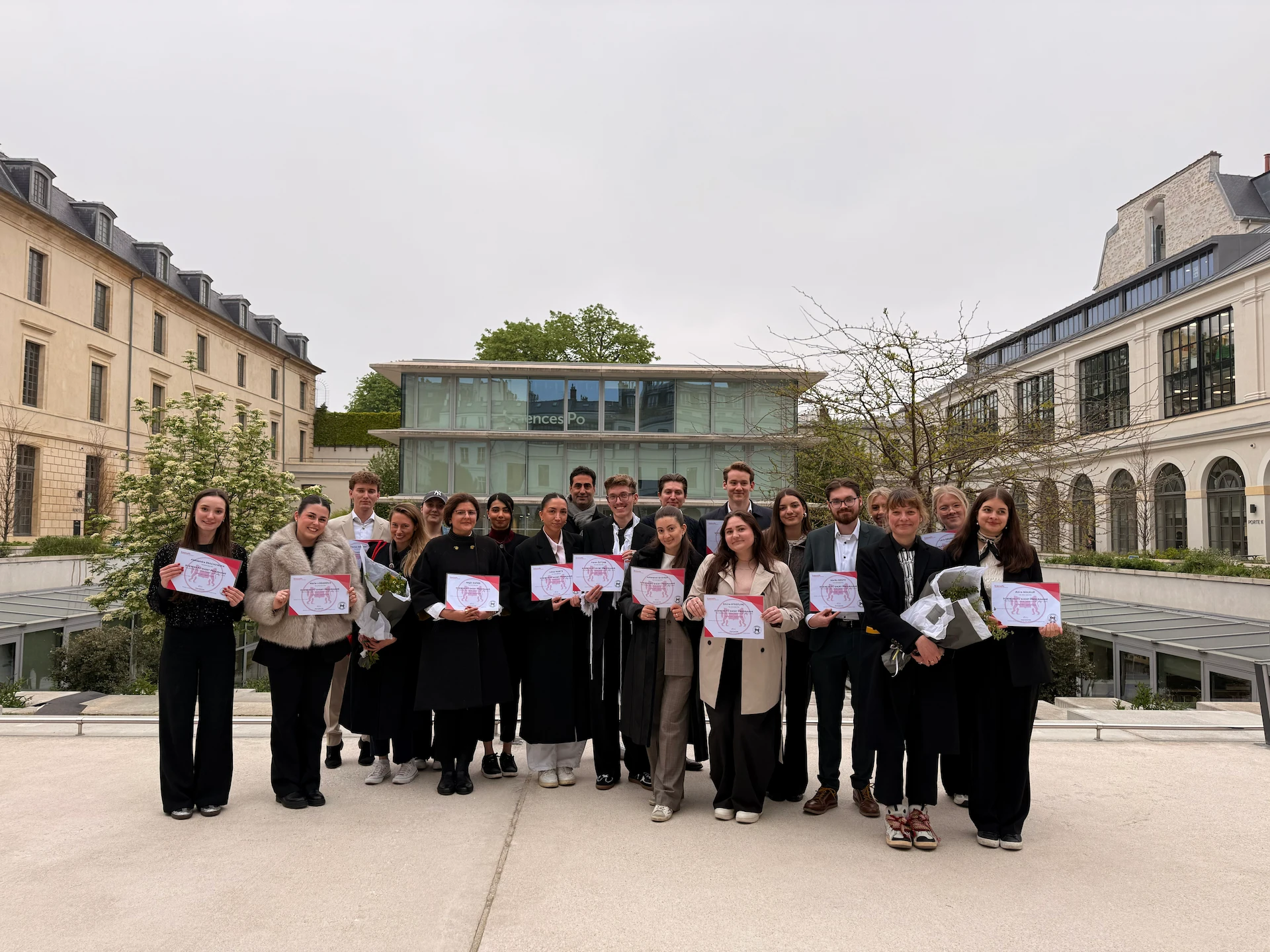
“The trip was a complete success,” says participant Florian Michels. “The dynamic of the course and the shared experiences were truly unique.” What makes a study week like this different from a standard semester is not the prestige of the venues, though Avenue Montaigne is not a bad classroom.
It is that the students spent ten days being taken seriously by people who work in the field, presenting real research to real decision-makers and sitting in lectures that did not flatten the complexity of the industry they are training to enter. At AMD, that is not an occasional perk. It is what the degree is built around.